Block Wall Contractor in Tempe, AZ

New block walls for property lines, courtyards, privacy and street frontage, built on a foundation sized for the ground it is going into and matched to the houses around you. Free estimates, with a firm price in writing.

Call (480) 470-8551 Get Your Free Estimate
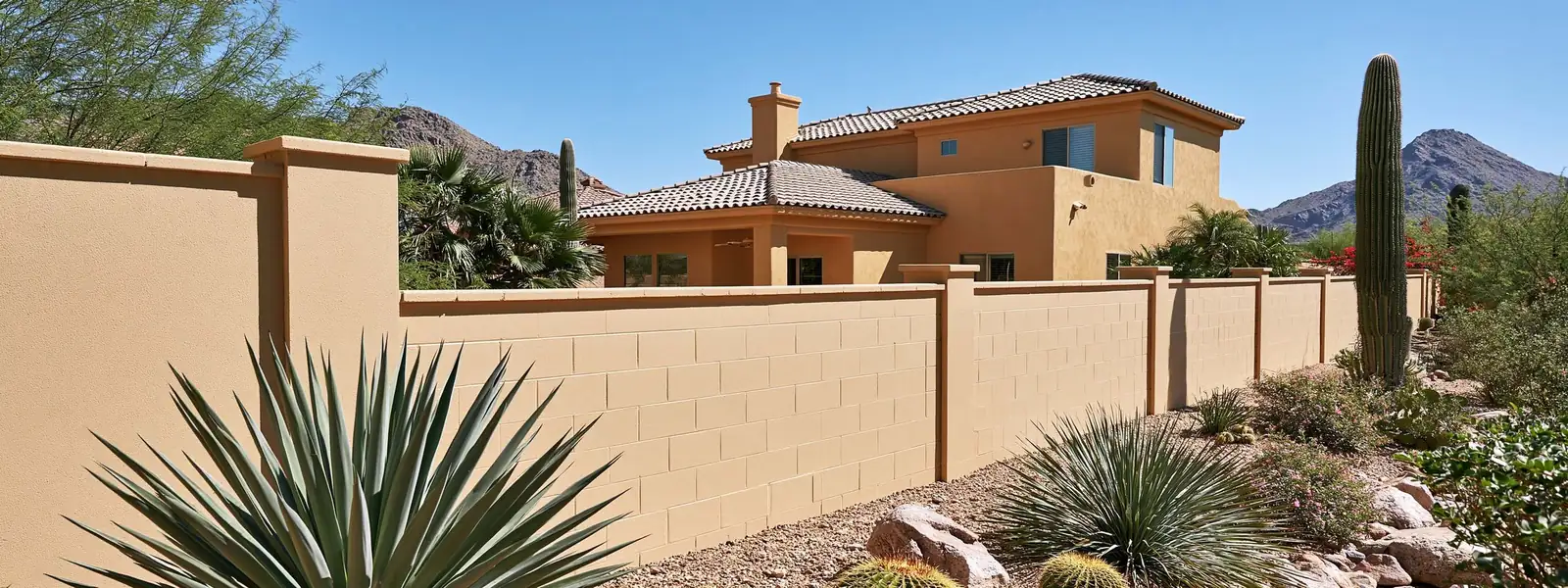
New tan block wall in Tempe, AZ running along a property line with a crisp continuous cap and desert planting at the base

New Block Walls in Tempe, Built to Stay Put

A block wall is the longest-lasting thing you can put on a property line in the Valley. It does not rot, it does not fade, it never needs painting, and it will still be standing when the fence next door has been replaced twice.

Tempe Fence Company builds new block walls across Tempe and the East Valley: property lines, back yards, courtyards, street frontage, and the low walls that hold a planting bed in place. Hiring a block wall contractor in Tempe ought to be simple. Someone comes out, looks at the ground and at what the neighbors have, and gives you a price in writing before anything is booked.

The part that decides how long the wall lasts is the part you will never see again once the job is done. That is the foundation, and it is where the conversation starts.

What Makes a New Wall Last in This Soil

Ground across the Valley takes on water through monsoon season and gives it back through the dry months, and it changes size as it does. Every block wall in Tempe sits on top of that movement. The ones that stay straight for fifty years are the ones whose foundation was sized for it in the first place.

That is not a detail you can see from the street, which is exactly why it is worth asking about before you compare two prices. Two walls that look identical on day one can be a decade apart in how long they hold their line.

The footing is the whole job

Before a single block goes down, a few things get decided:

  • How deep the footing goes, which depends on what is actually under your yard rather than on a standard number.
  • How wide it needs to be, which follows from how tall the wall is and how much wind it will catch.
  • What steel goes into it, running through the footing and up inside the block so the wall behaves as one piece instead of a stack.
  • Where the wall drains, so water moving through the yard has somewhere to go that is not the base of your new wall.

None of that is visible in a finished photograph. All of it is the difference between a wall that stays true and one that starts moving in a few seasons.

Height, wind and what the city expects

Taller walls catch more wind and carry more load, so they need more underneath them. There is a point where a wall stops being a garden wall and starts being a structure, and past that point the work needs permitting and inspection. Where your project lands gets confirmed before it is quoted, not after. If your wall needs a permit we say so up front and it goes in the estimate.

If the wall is going to hold back any soil at all, even a foot of it, that is a different piece of work again with different requirements. It gets flagged at the estimate rather than being quietly built as if it were a plain property wall.

Reasons Tempe Homeowners Build New Block

The yard is open to the street or to a neighbor and you want it closed off
A wooden fence has reached the end of its life and you would rather not do this again
You want a courtyard or a private patio carved out of a bigger yard
The pool area needs a permanent enclosure rather than a temporary one
Traffic noise or wind off an open lot reaches further into the yard than you would like
You are landscaping and want a low wall to hold a planting bed and give the yard a line

Choosing the Block, the Cap and the Finish

Most people arrive at this decision assuming there is one kind of block. There is not, and the choice is worth ten minutes because you will look at the result every day.

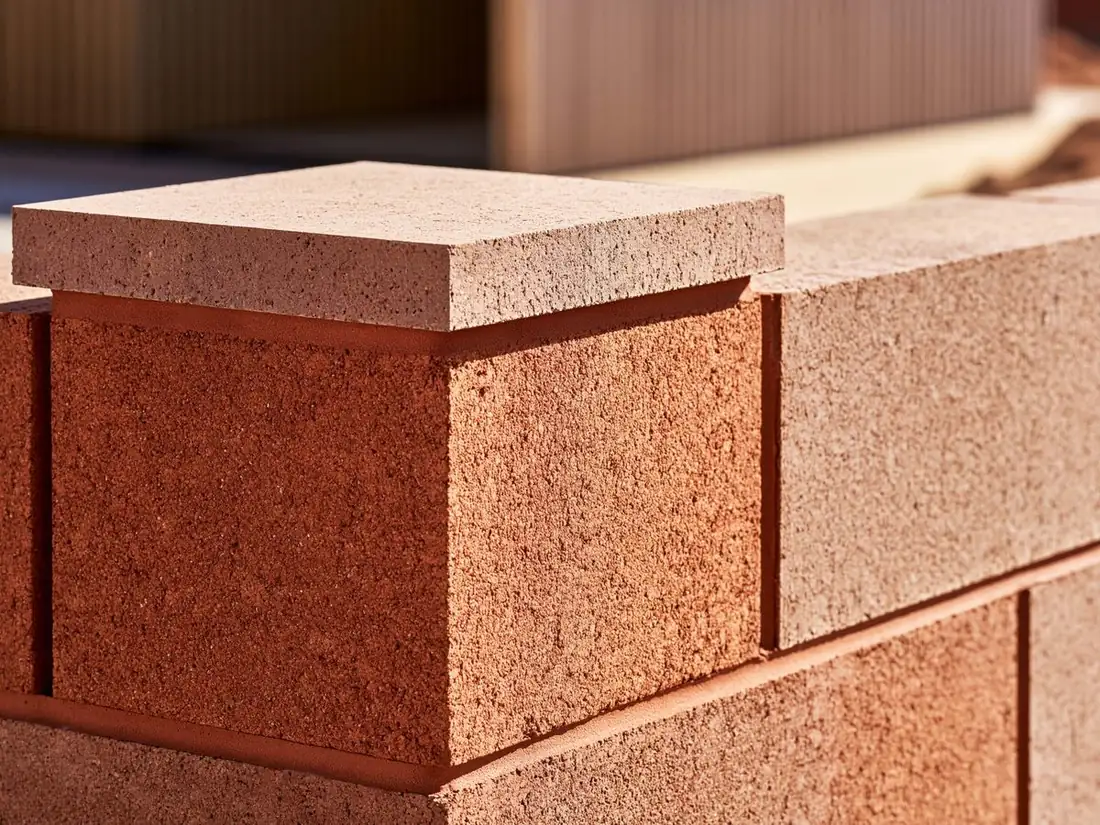
Close view of a new block wall pilaster in Tempe, AZ with a crisp cap sitting square over clean mortar joints

Matching your neighborhood, or deliberately not

The safest-looking wall is the one that reads as though it has always been there. That usually means matching the block color, the size and the face texture that the surrounding houses already use, and carrying the same cap detail along the top. On most Tempe streets there is an established look, and a wall that ignores it draws the eye for the wrong reason.

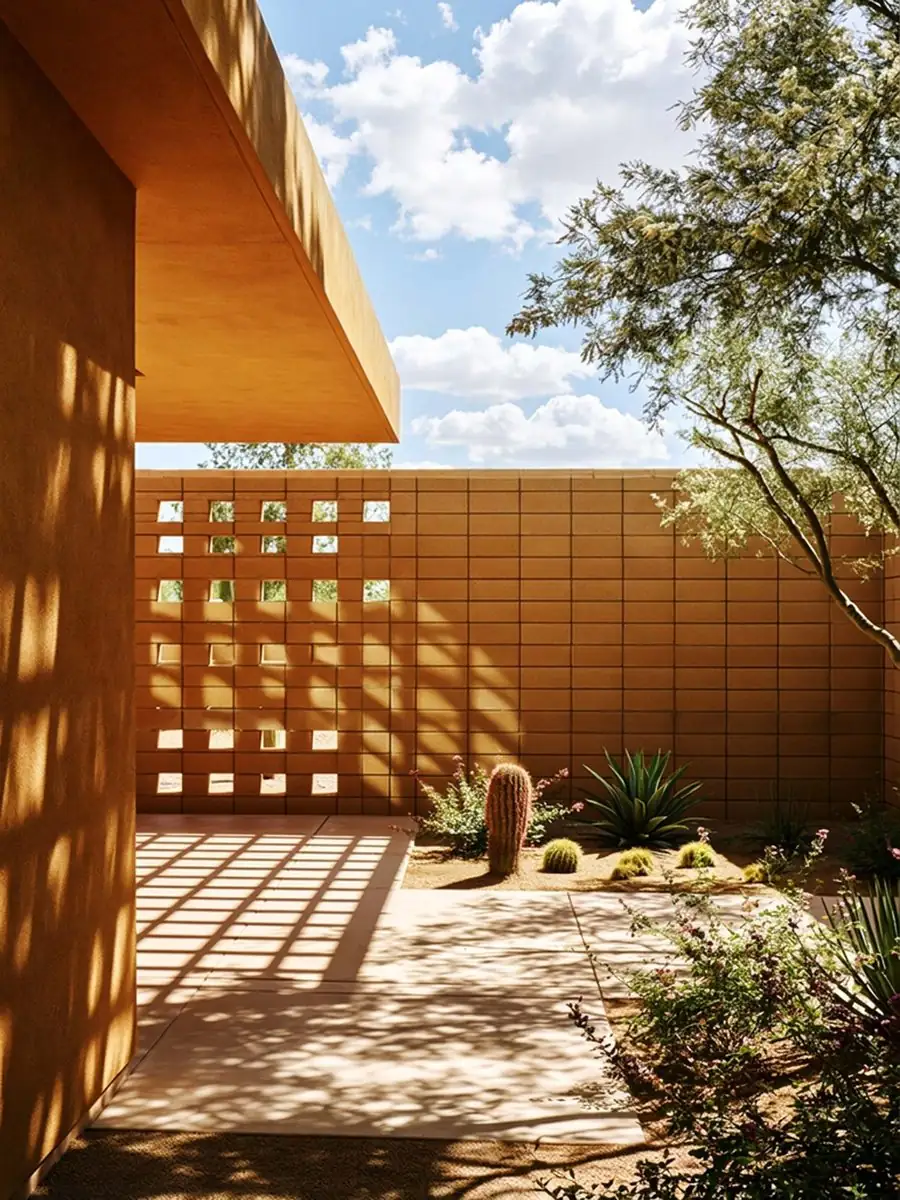
There are good reasons to depart from it. A courtyard wall inside your own yard can be a different color from the perimeter, split-face block gives a heavier texture where you want the wall to feel substantial, and a decorative block panel can let light and air through a section where a solid wall would feel closed in.

Whichever way you go, the cap is what finishes it. A continuous cap along the top of a run is what makes a wall look built rather than assembled, and it also keeps water out of the top of the block, which matters more here than it sounds.

Pilasters, gates and the openings

Pilasters are the thicker columns spaced along a wall. They stiffen a long run and give you somewhere solid to hang a gate, and they are also the main opportunity to make a plain wall look considered. Where a gate is going in, the pilasters on either side get built for it from the start rather than being adapted afterward.

If a driveway gate is part of the plan, say so at the estimate even if it is going in later. Building the openings and the pilasters for it now is far cheaper than opening the wall back up in two years. The same goes for anything that has to pass through: irrigation, a conduit for a future gate opener, a drainage sleeve.

Iron gates and automatic openers are covered on wrought iron fencing and automatic gate repair.

What Moves the Price on a New Block Wall

Nobody can price a wall over the phone without seeing the ground it is going on, and anyone who does is guessing at the part that costs the most. These are the things that actually move the number.

The estimate you get back is a firm price in writing covering exactly what the work includes, so you can hold it up against anyone else's on equal terms.

What the visit looks at

  1. How long the run is, and how many corners and pilasters it turns
  2. How tall the wall is, and whether it is holding back any soil
  3. What the ground is like, which decides the footing
  4. Which block, cap and finish you choose
  5. Whether a truck can reach the line, or everything is carried in by hand
  6. Whether gates, openings or a permit are part of the job

How a New Wall Goes In

What happens on your property, in order

The line gets marked out first so you can see exactly where the wall will sit before anything is dug. This is the moment to move it, not later.

Then the footing goes in, and then it gets left alone. Concrete needs time before anything is built on top of it, which is why a wall is usually not a single-day job and why anyone promising one should be asked how. Once the footing is ready the block goes up in courses, with steel running up through it and the cores filled so the wall behaves as one piece.

The cap goes on last, and the site gets cleaned up properly. Off-cuts, spoil from the footing and packaging all leave with the crew. You should not be finding pieces of block in your gravel a month later.

Living next to it while it happens

A new wall on a property line affects the neighbors too, and giving them a heads-up beforehand costs nothing and prevents most of the friction these jobs create. Where a wall sits exactly on a shared line, it is worth having that conversation before the work is booked rather than while a crew is standing in the yard.

If the property sits in a community with a set standard for walls, bring the requirements to the estimate. Height limits, approved colors and cap details get worked into the price from the start instead of turning into a change halfway through.

New Block Wall Questions, Answered Plainly

How long does a new block wall last in Tempe?

Longer than anything else you could put on the same line. Block does not rot, does not fade in the sun and never needs painting, so the material itself is not usually what ends a wall's life. What ends it is ground movement under a foundation that was not sized for the soil. Get that right and a wall built today is a wall your buyer inherits in good condition. That is the whole reason we spend more time on the footing conversation than on the block color.

Do I need a permit for a block wall in Tempe?

It depends on how tall it is and whether it is holding back soil, and it is confirmed for your specific project before anything is quoted rather than assumed. Plenty of ordinary garden and property walls sit below the threshold. Past a certain height, or once a wall is retaining, it becomes a structure and needs permitting and inspection. If yours needs one, you hear about it at the estimate and it goes in the written price. We do not start a job and discover the paperwork later.

Can you match the block on the rest of my street?

Usually very closely. Block is made in a range of colors, sizes and face textures, and most Tempe neighborhoods settled on a look decades ago that is still available or near enough. We look at what is already around you and match color, size, texture and the cap detail. Where the original is no longer made, you hear about the closest option and what will be slightly different before the work starts, not after.

How tall can I build it?

Height is limited by what your community and the city allow rather than by what is possible to build, and those two are not always the same number. Most residential perimeter walls in the Valley land in a fairly narrow range. If you want something taller than the norm for your street, that is a permitting conversation and sometimes a community approval conversation, and both get sorted before the price is finalized.

My wall will sit on the property line with my neighbor. Does that change anything?

Practically, yes. A wall on a shared line is doing a job for two households, and it is worth agreeing on it before a crew shows up. You get a written estimate covering the work, so you have something concrete to take next door, and it gets quoted either way, whether you are handling it or the cost is being split. Where the line sits and who owns what is between the two properties, and we do not offer an opinion on it.

What is the difference between this and a retaining wall?

A property wall stands there and divides two spaces. A retaining wall holds ground back, which means it is fighting the weight of soil and water every day of its life. That is a different engineering problem, a different foundation and a different approval path, and it is not something to build by eye. If your project involves holding back any real amount of soil, it gets flagged at the estimate so it can be handled properly rather than built as if it were a plain wall.

See all fence and block wall questions →

Related Work in Tempe

Block Wall Repair

Cracked or leaning block made solid and straight again, with the cause fixed so it stays that way.

See Block Wall Repair →

Wrought Iron Fencing

Iron gates and panels set into a new block wall, so the wall opens where you need it to.

See Wrought Iron Fencing →

Pool Fencing

Pool enclosures built to Arizona's safety requirements, with a gate that latches on its own.

See Pool Fencing →

Automatic Gate Repair

Driveway gates, openers and keypads. Worth planning for while the wall is still going up.

See Automatic Gate Repair →

Block Walls in Chandler

Long master-planned perimeter walls and work that has to match the community standard.

Fencing in Chandler →

Block Walls in Gilbert

Newer houses, but the ground still moves. Footings sized for soil that swells and shrinks.

Fencing in Gilbert →
New block wall in Tempe, AZ seen from inside the courtyard it encloses, with a decorative block panel and desert planting

Get Your Free Estimate

Tell us where the wall is going and what you want it to do. Someone comes out, looks at the ground and at what the neighbors have, and gives you a firm price in writing. No cost, and no obligation to book the work. Call (480) 470-8551 or fill out the form.

Built once. Standing in fifty years.

Call (480) 470-8551